Best RV LiFePO4 Batteries in 2026: Top 10 Ranked by Real-Use Reliability (Not Hype)
Affiliate Disclaimer: This article contains affiliate links. If you click through and make a purchase, I may earn a small commission at no extra cost to you. This helps support my deep-dive research.
Across our individual reviews, a recurring theme is that most “bad battery buys” aren’t about the label on the case—they’re about fitment, charging setup, and expectation mismatch (especially with inverters and cold weather). Some batteries feel like a life upgrade on day one. Others turn into an app/warranty/troubleshooting marathon.
How we reviewed: We compiled this ranking from our individual product reviews, prioritizing real-world patterns: what consistently works, what frustrates owners, and what matters for long-term value.
If you want to pick fast: use the awards + decision matrix, then jump to the ranked deep-dives and the “week-one testing” checklist.
Quick Verdict
| Award | Product (Amazon link) | Best For… | Quick Reason |
|---|---|---|---|
| 🥇 Best Overall | Redodo 12V 100Ah Mini LiFePO4 RV Battery | Tight installs + real-world power feel | Fit is the headline, and owners consistently report “saved my build” results. |
| 💰 Best Value | ECO-WORTHY 12V 150Ah Metal Shell LiFePO4 RV Battery | Budget shoppers who still want “real” capacity | Strong value patterns—just respect discharge limits and quirks. |
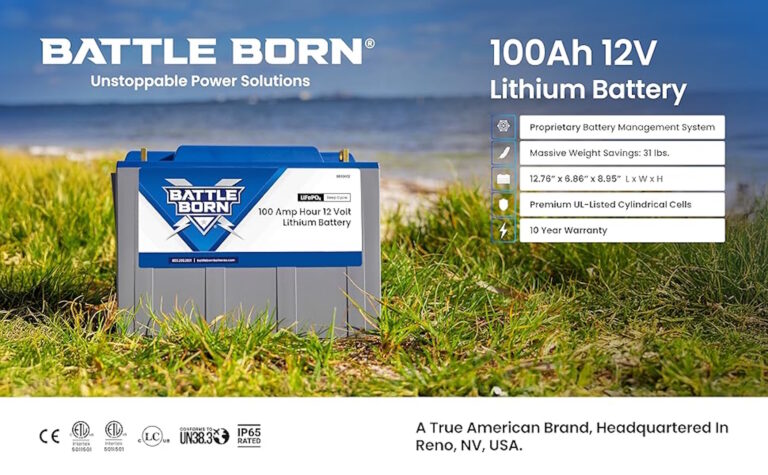
| 💎 Best Premium | Battle Born 100Ah LiFePO4 Battery for RV | Buy-once buyers who’ll set charging correctly | Premium feel and strong usability—price + warranty friction are the trade. |
| ⚡ Best for 24V inverter builds | Power Queen 24V 100Ah LiFePO4 RV Battery | 24V systems (lower current, steadier delivery) | Owners commonly report stable voltage—wake-up/charger quirks are the gotcha. |
| ⭐ Best for winter camping and cold-weather charging | Renogy 12V 100Ah Pro Self-Heating Bluetooth LiFePO4 | Cold-season charging strategy | Great concept and often great results—support experience is the risk. |
| 🎯 Best for heavy users (higher daily draw) | Timeusb 12V 200Ah LiFePO4 RV Lithium Battery | Bigger 12V banks + steadier off-grid living | Strong usable capacity themes, with “connections matter” caveats. |
Tip: Click a Confidence Score to see the full review and scoring context.
Quick Decision Matrix
- Need 24V inverter builds → Go to #4 Power Queen 24V 100Ah
- Need winter camping + cold-weather charging → Go to #9 Renogy 100Ah Self-Heating
- Budget-focused → Go to #3 ECO-WORTHY 150Ah Metal Shell
- Want least friction → Go to #1 Redodo 100Ah Mini
Comparison Table
| Product Name (linked) | Best For | Owner-Reported Outcome | What Owners Liked | Common Complaints / Tradeoff | Owner Signals | Confidence Score (details) |
|---|---|---|---|---|---|---|
| Redodo 12V 100Ah Mini | Tight battery boxes | Strong | Tight-box fit; steady power | No low-temp charging; occasional BMS/capacity quirks | Tight-box fit, Cold-charge planning, QC variance | 8.6/10 🔋✅ |
| Timeusb 12V 200Ah | Higher daily draw | Strong | Usable capacity; stable voltage | Terminal details; occasional bad units | Stable voltage, Terminal sensitivity, QC variance | 8.1/10 ✅ (Strong value + strong owner satisfaction patterns, but with real “setup matters” caveats and a few sharp-edge complaints that you should respect.) |
| ECO-WORTHY 12V 150Ah Metal Shell | Value-focused capacity | Strong | Metal shell feel; capacity-per-dollar | Bluetooth/app quirks; discharge limits | Metal shell build, Bluetooth mixed, Discharge-limit awareness | 8.2/10 (High value, strong performance theme… but you need to respect discharge limits and be okay with occasional “budget-tech” quirks.) |
| Power Queen 24V 100Ah | 24V banks | Strong | Stable voltage; usable runtime | Wake-up issue; charger quirks | Stable voltage, Wake-up behavior, Charger compatibility | 8.3/10 (high value, but you must set it up right) |
| Battle Born 100Ah | Premium-minded buyers | Strong | Stable voltage; fast recharge feel | Price; warranty friction | Charger profile sensitivity, Support experience, Long-term lane split | 7.9/10 |
| Redodo 12V 100Ah | Mainstream 12V upgrade | Moderate-to-Strong | Steady voltage; usable energy feel | Charging setup matters; cold charging planning | Charger compatibility, Stable voltage, System-design dependence | 7.9/10 (strong value upside, but your results depend heavily on charger setup and system design) |
| ExpertPower 12V 100Ah | “Normal” house loads | Moderate | Weight savings; holds power feel | Surge-sensitive BMS | Surge sensitivity, Charger compatibility, Monitoring needs | 7.8/10 🔋🙂 |
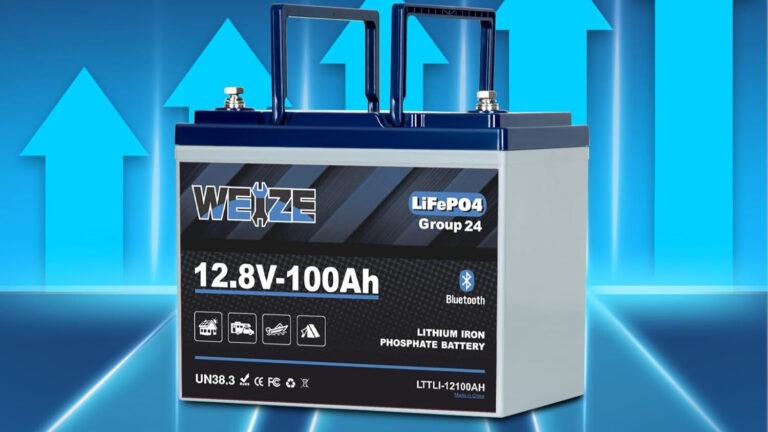
| Weize 12V 100Ah Bluetooth | Budget Bluetooth buyers | Moderate | Phone monitoring; upgrade feel | Uneven longevity; app/warranty hoops | Bluetooth monitoring, Reliability variance, Support experience | 7.8/10 🔋 |
| Renogy 12V 100Ah Self-Heating BT | Cold-season charging | Moderate | Self-heating concept; visibility | Support lottery; lockouts/comms quirks | Self-heating benefit, Support lottery, BMS lockout risk | 7.6/10 🔋 (Great concept and often great real-world performance… but you’re buying into a “support lottery.”) |
| LiTime 12V 100Ah Bluetooth (Group 24) | Budget Group 24 swaps | Mixed | Weight savings; Bluetooth checks | Polarized reliability; high-load limits | Bluetooth monitoring, High-load limits, QC variance | 7.2/10 (High value when you get a solid unit, but quality variance and high-load expectations drag down certainty.) |
6) Detailed Product Reviews
#1. Redodo 12V 100Ah Mini LiFePO4 RV Battery — Tight-box fit, real power
📌 At a Glance (Core + Owner Signals)
- Best for: Tight battery compartments (truck campers, Class B vans, small trailers)
- Owner-reported outcome: Strong
- Confidence score: 8.6/10 🔋✅
Owner signals:
- Tight-box fit: Positive — repeatedly chosen because standard 100Ah cases won’t fit.
- Cold-charge planning: Negative — often discussed as lacking low-temp charge protection.
- QC variance: Mixed — a smaller group reports capacity/BMS quirks depending on setup.
Quick Summary: This ranks #1 because owners keep describing the same win: it makes the upgrade possible in spaces where “normal” batteries break the plan. The key tradeoff is winter charging needs a strategy.
Key Specifications:
- 12V 100Ah LiFePO4
- “Mini” form factor (fit-focused)
- Built-in BMS
The Deep Dive (Why It Ranked Here):
- In our review analysis, we consistently saw fitment as the #1 purchase trigger.
- Owners commonly report steadier power delivery under typical RV loads.
- A frequent buyer surprise is how much lithium behavior (cutoffs) differs from lead-acid “slow sag.”
- Cold-weather charging comes up repeatedly as the main limitation to plan around.
- Setup quality still matters, but owners talk about fewer “fit math” compromises.
✅ Why Buy
- You’re fighting a tight battery box and need a lithium option that actually fits.
- You want the “lithium feel” (less sag, more usable power) without chasing premium pricing.
- You prefer a simpler, fit-first battery over feature-heavy models.
⛔ Dealbreakers / What to Consider
- If you need built-in low-temp charge protection, skip this.
- If you hate any chance of troubleshooting a BMS quirk, you may want a more consistency-focused brand.
Verdict for You:
- 👉 Pick this if: your upgrade is blocked by space.
- You’re building a compact bank.
- You want strong real-world power feel in a small footprint.
- 🛑 Skip this if: winter charging safety is your top priority.
- You routinely charge below freezing.
- You don’t want to add a cold-weather plan.
- 🛒 Check Price on Amazon: https://amzn.to/3LPuZ2G
- 📖 Read the full review: https://rvoutfitting.com/redodo-12v-100ah-mini-lifepo4-battery-review/
#2. Timeusb 12V 200Ah LiFePO4 RV Lithium Battery — Big capacity, setup matters
📌 At a Glance (Core + Owner Signals)
- Best for: Heavy users building a bigger 12V bank
- Owner-reported outcome: Strong
- Confidence score: 8.1/10 ✅ (Strong value + strong owner satisfaction patterns, but with real “setup matters” caveats and a few sharp-edge complaints that you should respect.)
Owner signals:
- Stable voltage: Positive — less “brownout” behavior is a repeated theme.
- Terminal sensitivity: Mixed — bolt-style terminals + heavy cables can punish sloppy installs.
- QC variance: Mixed — some report bad units out of the box.
Quick Summary: It ranks high because owners repeatedly describe a calmer off-grid experience from the extra usable capacity + steadier voltage. The tradeoff is you can’t treat connections and charging like an afterthought.
Key Specifications:
- 12V 200Ah LiFePO4
- Built-in BMS
The Deep Dive (Why It Ranked Here):
- Based on aggregated owner experiences discussed in our reviews, “close-to-rated usable capacity” shows up often.
- Owners commonly report steadier behavior when loads kick on.
- One pattern that comes up repeatedly is “connection quality decides everything.”
- Some negative reports focus on early failures or inconsistent QC.
- Cold-weather and surge expectations still need planning in higher-demand builds.
✅ Why Buy
- You want longer stretches between charging cycles (bigger daily draw).
- You’re building a more serious house bank and can do clean wiring.
- You value clearer documentation compared to typical budget listings.
⛔ Dealbreakers / What to Consider
- If you want forgiving terminals and zero-fuss wiring, be cautious.
- If your build depends on harsh surge behavior, you’ll want to match expectations to BMS limits.
Verdict for You:
- 👉 Pick this if: you’re building for higher usage, not just weekend lights.
- You’ll take wiring/charging seriously.
- You want the “steady power” feel owners mention.
- 🛑 Skip this if: you want a battery that forgives messy installs.
- You don’t want to re-check connections.
- You’re sensitive to QC risk.
- 🛒 Check Price on Amazon: https://amzn.to/4pLoTOF
- 📖 Read the full review: https://rvoutfitting.com/timeusb-12v-200ah-lifepo4-rv-lithium-battery-review/
#3. ECO-WORTHY 12V 150Ah Metal Shell LiFePO4 RV Battery — Value capacity with “tank” vibes
📌 At a Glance (Core + Owner Signals)
- Best for: Budget shoppers wanting a bigger Ah jump for boondocking basics
- Owner-reported outcome: Strong
- Confidence score: 8.2/10 (High value, strong performance theme… but you need to respect discharge limits and be okay with occasional “budget-tech” quirks.)
Owner signals:
- Metal shell build: Positive — “built-for-RV-life” shows up repeatedly.
- Discharge-limit awareness: Mixed — often treated as a “120A continuous class” battery by owners.
- Bluetooth mixed: Mixed — great when stable, annoying when buggy.
Quick Summary: It ranks here because owners commonly report a strong capacity-per-dollar win and trust the physical build more than typical budget packs. The tradeoff is accepting “budget-tech” quirks and respecting discharge limits.
Key Specifications:
- 12V 150Ah LiFePO4
- Metal shell case
- Built-in BMS
- Bluetooth monitoring (app experience varies)
The Deep Dive (Why It Ranked Here):
- Owners commonly report longer comfort on standard RV loads (lights, pump, devices).
- The metal case is repeatedly called out as a confidence booster.
- Bluetooth feedback splits: useful data vs occasional headache.
- A frequent buyer surprise is terminal/hardware details for multi-cable installs.
- In our review analysis, we consistently saw “inverter expectations” as the make-or-break.
✅ Why Buy
- You want more capacity without premium pricing.
- You like the idea of a tougher-feeling case for RV environments.
- You can accept a bit of hands-on setup.
⛔ Dealbreakers / What to Consider
- If you want “run everything at once” inverter freedom, skip this.
- If you refuse any app quirks or setup fiddling, you’ll be happier with a different tier.
Verdict for You:
- 👉 Pick this if: you want value capacity and can be realistic about loads.
- You’re running boondocking basics.
- You can plan around discharge limits.
- 🛑 Skip this if: your inverter plans are aggressive.
- You expect high continuous output without compromises.
- You want “zero quirks” ownership.
- 🛒 Check Price on Amazon: https://amzn.to/4jK0asL
- 📖 Read the full review: https://rvoutfitting.com/eco-worthy-12v-150ah-metal-shell-lifepo4-battery-review/
#4. Power Queen 24V 100Ah LiFePO4 RV Battery — 24V power, budget quirks
📌 At a Glance (Core + Owner Signals)
- Best for: 24V systems (inverters, trolling motors, modular solar banks)
- Owner-reported outcome: Strong
- Confidence score: 8.3/10 (high value, but you must set it up right)
Owner signals:
- Stable voltage: Positive — a repeated “24V feels effortless” theme.
- Wake-up behavior: Mixed — some units arrive “asleep” and confuse chargers.
- Charger compatibility: Mixed — occasional cutoff quirks depending on charge source.
Quick Summary: This is the 24V pick because owners commonly report the core thing you want: steady delivery under load. The tradeoff is occasional “wake-up” and charger behavior drama.
Key Specifications:
- 24V 100Ah LiFePO4
- Built-in BMS
- Bluetooth monitoring on some variants (mixed feedback)
The Deep Dive (Why It Ranked Here):
- Owners commonly report a noticeable upgrade vs lead-acid in usable runtime.
- One pattern that comes up repeatedly is first-charge confusion (shipping/sleep state).
- Some owners report smooth installs once charging is set correctly.
- Bluetooth/app feedback is inconsistent (on BT variants).
- Warranty/support experiences are uneven enough to note.
✅ Why Buy
- You’re intentionally building 24V for lower current and steadier delivery.
- You want strong value in a 24V class battery.
- You’re comfortable treating charging setup as part of the purchase.
⛔ Dealbreakers / What to Consider
- If you need “plug in and it just works” with any charger, skip this.
- If you hate app ecosystems, don’t pay extra for the BT variant just for curiosity.
Verdict for You:
- 👉 Pick this if: you’re committing to a 24V system and want value.
- You’ll set charging correctly.
- You want steady output themes owners repeat.
- 🛑 Skip this if: you want zero first-week surprises.
- You don’t want any wake-up/recognition troubleshooting.
- You’re sensitive to inconsistent support outcomes.
- 🛒 Check Price on Amazon: https://amzn.to/3LC3VUr
- 📖 Read the full review: https://rvoutfitting.com/power-queen-24v-100ah-lifepo4-rv-battery-review/
#5. Battle Born 100Ah LiFePO4 Battery for RV — Premium feel, premium expectations
📌 At a Glance (Core + Owner Signals)
- Best for: Buyers who want “buy once” behavior and will tune charging
- Owner-reported outcome: Strong
- Confidence score: 7.9/10
Owner signals:
- Charger profile sensitivity: Mixed — performance jumps when charging is dialed in.
- Support experience: Mixed — warranty stories range from smooth to aggravating.
- Long-term lane split: Mixed — many trouble-free seasons, plus a loud “something went weird” minority.
Quick Summary: It ranks mid-pack because the performance themes are strong—but owners also repeatedly frame the purchase as paying for trust, and the trust experience isn’t universal.
Key Specifications:
- 12V 100Ah LiFePO4
- Built-in BMS
The Deep Dive (Why It Ranked Here):
- Owners commonly report stable voltage and fast recharge feel.
- A frequent buyer surprise is learning “drop-in” doesn’t mean “old charger is fine.”
- Many long-term reports are very positive once setup is correct.
- A smaller but meaningful group reports warranty/support friction.
- Price is consistently the biggest hesitation.
✅ Why Buy
- You want premium-tier expectations and can pay for it.
- You’ll verify your converter/charger is lithium-friendly.
- You value “set it up once, then forget it” stories.
⛔ Dealbreakers / What to Consider
- If you’re price-sensitive, value-tier batteries may match your needs better.
- If warranty paperwork/process would ruin your week, factor that into “premium.”
Verdict for You:
- 👉 Pick this if: you want premium behavior and can tune the system.
- You’re upgrading chargers/controllers as needed.
- You want fewer “budget-tech surprises.”
- 🛑 Skip this if: price and warranty friction are unacceptable.
- You want maximum features per dollar.
- You expect perfect plug-and-play.
- 🛒 Check Price on Amazon: https://amzn.to/3LC22Hl
- 📖 Read the full review: https://rvoutfitting.com/battle-born-lifepo4-rv-battery-review/
#6. Redodo 12V 100Ah LiFePO4 Battery — Solid baseline, system-dependent results
📌 At a Glance (Core + Owner Signals)
- Best for: Mainstream 12V upgrades with realistic inverter expectations
- Owner-reported outcome: Moderate-to-Strong
- Confidence score: 7.9/10 (strong value upside, but your results depend heavily on charger setup and system design)
Owner signals:
- Charger compatibility: Mixed — converter/charger setup drives satisfaction.
- System-design dependence: Mixed — wiring/fusing expectations come up repeatedly.
- Stable voltage: Positive — part of the “why lithium feels better” story.
Quick Summary: Owners describe it as a sensible entry into lithium—if your charging and system design are aligned. The tradeoff is that “setup matters” isn’t optional.
Key Specifications:
- 12V (12.8V nominal) 100Ah LiFePO4
- Built-in BMS
The Deep Dive (Why It Ranked Here):
- Owners commonly report a big quality-of-life upgrade vs lead-acid.
- In real-world use, many users find charging profile mismatches create disappointment.
- Moderate inverter use comes up as a workable expectation set.
- Cold-weather charging planning is a recurring caution.
- Version/variant differences are mentioned enough to be careful with listings.
✅ Why Buy
- You want a practical lithium upgrade without premium pricing.
- You’re okay doing basic charging setup validation.
- Your loads are mostly house loads with moderate inverter use.
⛔ Dealbreakers / What to Consider
- If you want “install and never think again,” you may want a different tier.
- If you plan heavy inverter use without system planning, skip this.
Verdict for You:
- 👉 Pick this if: you want a sensible value lithium path.
- You’ll confirm lithium-friendly charging.
- You have realistic inverter expectations.
- 🛑 Skip this if: you want zero system planning.
- You won’t touch charger settings.
- You want high-load certainty.
- 🛒 Check Price on Amazon: https://amzn.to/4jIi2o0
- 📖 Read the full review: https://rvoutfitting.com/redodo-12v-100ah-lifepo4-battery-review/
#7. ExpertPower 12V 100Ah LiFePO4 RV Battery — Great for “normal,” surge-sensitive
📌 At a Glance (Core + Owner Signals)
- Best for: Normal RV house loads with smart charging
- Owner-reported outcome: Moderate
- Confidence score: 7.8/10 🔋🙂
Owner signals:
- Surge sensitivity: Negative — BMS trips show up with sudden spike loads.
- Charger compatibility: Mixed — old-school charging setups create friction.
- Monitoring needs: Mixed — owners note voltage isn’t a great fuel gauge.
Quick Summary: Owners often end up happy when using it as a house battery—but if you demand harsh surge behavior, this is where the BMS sensitivity becomes the story.
Key Specifications:
- 12V 100Ah LiFePO4
- Built-in BMS
The Deep Dive (Why It Ranked Here):
- Owners commonly report big weight savings and a “holds power” feel.
- A frequent buyer surprise is how lithium needs correct charging profiles.
- BMS trip behavior under surge loads is repeatedly mentioned.
- Alternator/drive-charging conversations come up as a friction point.
- State-of-charge confusion appears without better monitoring.
✅ Why Buy
- You want a straightforward lithium house battery upgrade.
- Your loads are mostly steady (lights, fridge, fans, devices).
- You’re willing to ensure charging is correct.
⛔ Dealbreakers / What to Consider
- If you need high surge behavior, skip this.
- If you hate any “learning curve,” expect some setup time.
Verdict for You:
- 👉 Pick this if: your RV use is steady and predictable.
- You’re not hammering huge surge loads.
- You’ll set charging correctly.
- 🛑 Skip this if: you’re pushing aggressive inverter surges.
- You want starter-like bursts.
- You don’t want BMS trip surprises.
- 🛒 Check Price on Amazon: https://amzn.to/49o9Ci6
- 📖 Read the full review: https://rvoutfitting.com/expertpower-12v-100ah-lifepo4-rv-battery-review/
#8. Weize 12V 100Ah Bluetooth LiFePO4 Battery — Budget monitoring, uneven longevity
📌 At a Glance (Core + Owner Signals)
- Best for: Budget-friendly lithium with phone monitoring
- Owner-reported outcome: Moderate
- Confidence score: 7.8/10 🔋
Owner signals:
- Bluetooth monitoring: Positive — “stop guessing” convenience is a repeated theme.
- Reliability variance: Mixed — long-term outcomes look uneven.
- Support experience: Mixed — warranty hoops show up for some buyers.
Quick Summary: This ranks lower than the top value picks because owners like the idea—then experiences spread out (app trust, reliability, warranty process).
Key Specifications:
- 12V 100Ah LiFePO4
- Bluetooth monitoring
The Deep Dive (Why It Ranked Here):
- Owners commonly report immediate upgrade feel vs lead-acid (weight + usable runtime).
- Bluetooth is either a quality-of-life win or “one more annoying app.”
- App signal/connection can be affected by compartments and real RV placement.
- Some owners report early failures, which shapes the confidence ceiling.
- Warranty experience is a meaningful part of the ownership story.
✅ Why Buy
- You want budget lithium plus monitoring convenience.
- You’re okay treating Bluetooth as a bonus, not your only truth source.
- Your expectations are house-load focused.
⛔ Dealbreakers / What to Consider
- If long-term reliability certainty is your #1 priority, skip this tier.
- If you hate app ecosystems, don’t buy primarily for Bluetooth.
Verdict for You:
- 👉 Pick this if: monitoring convenience matters and you accept tradeoffs.
- You want easy SOC checks.
- You’re upgrading from lead-acid and want a lighter bank.
- 🛑 Skip this if: you want maximum consistency.
- You don’t want any warranty/process friction.
- You want predictable long-term outcomes.
- 🛒 Check Price on Amazon: https://amzn.to/4bzOTZY
- 📖 Read the full review: https://rvoutfitting.com/weize-12v-100ah-bluetooth-lifepo4-battery-review/
#9. Renogy 12V 100Ah Pro Self-Heating Bluetooth LiFePO4 — Cold-ready, support-risky
📌 At a Glance (Core + Owner Signals)
- Best for: Winter campers who want built-in cold-charge help
- Owner-reported outcome: Moderate
- Confidence score: 7.6/10 🔋 (Great concept and often great real-world performance… but you’re buying into a “support lottery.”)
Owner signals:
- Self-heating benefit: Positive — often framed as a winter game-changer.
- Support lottery: Negative — support/warranty friction is a recurring theme.
- BMS lockout risk: Mixed — recovery and comms quirks are mentioned.
Quick Summary: It’s not top-tier “overall” because the ownership experience is polarized. But for winter campers, this is the battery owners talk about when they want charging to keep happening in the cold.
Key Specifications:
- 12V 100Ah LiFePO4
- Self-heating
- Bluetooth monitoring
The Deep Dive (Why It Ranked Here):
- Many owners report excellent visibility and strong everyday performance when it behaves.
- Cold-weather behavior is the key differentiator, and it’s heavily discussed.
- A frequent buyer surprise is that charging source behavior can still impact the heater/charge loop.
- Support experience is the main risk factor in the narrative.
- BMS lockouts/comms quirks show up as repeat pain points for some.
✅ Why Buy
- You camp in cold seasons and want built-in help charging safely.
- You value Bluetooth visibility for solar/van/boondocking setups.
- You accept that premium-feeling features don’t always mean premium support.
⛔ Dealbreakers / What to Consider
- If you cannot tolerate support friction, skip this.
- If your battery is buried in a metal enclosure, Bluetooth may be less satisfying.
Verdict for You:
- 👉 Pick this if: winter charging is your biggest fear.
- You want self-heating convenience.
- You value visibility into battery state.
- 🛑 Skip this if: support experience is a dealbreaker.
- You want the least “ownership risk.”
- You don’t want any lockout/comms drama.
- 🛒 Check Price on Amazon: https://amzn.to/49Jzggh
- 📖 Read the full review: https://rvoutfitting.com/renogy-12v-100ah-pro-self-heating-bluetooth-lifepo4-battery-review/
#10. LiTime 12V 100Ah Bluetooth LiFePO4 (Group 24) — Great when good, polarized outcomes
📌 At a Glance (Core + Owner Signals)
- Best for: Budget Group 24 swaps with moderate inverter expectations
- Owner-reported outcome: Mixed
- Confidence score: 7.2/10 (High value when you get a solid unit, but quality variance and high-load expectations drag down certainty.)
Owner signals:
- Bluetooth monitoring: Positive — owners like checking SOC and activity quickly.
- High-load limits: Mixed — moderate loads often fine; heavy loads can trip limits.
- QC variance: Negative — the “love it or return it” pattern is loud.
Quick Summary: The upside is real when you get a solid unit—especially for a Group 24 style upgrade with monitoring. The downside is that owner experiences are split enough that it lands last.
Key Specifications:
- 12V 100Ah LiFePO4
- Group 24 form factor (fit-focused)
- Bluetooth monitoring
The Deep Dive (Why It Ranked Here):
- Owners commonly report weight savings and strong everyday performance.
- A frequent buyer surprise is that inverter expectations can exceed current limits.
- Bluetooth is often loved, but pairing quirks exist.
- Reliability reports are polarized enough to reduce certainty.
- Support/warranty stories contribute to the “great or headache” split.
✅ Why Buy
- You want a budget-friendly lithium upgrade with phone monitoring.
- You’re running typical house loads and moderate inverter use.
- You specifically want a Group 24 sized option.
⛔ Dealbreakers / What to Consider
- If you need reliable high-current behavior, skip this.
- If you can’t tolerate QC risk, choose a different tier.
Verdict for You:
- 👉 Pick this if: you want value + monitoring and accept variability.
- You’re upgrading a Group 24 tray.
- Your inverter use is moderate and realistic.
- 🛑 Skip this if: you want high confidence, low drama.
- You plan heavy inverter loads.
- You can’t deal with potential return/support loops.
- 🛒 Check Price on Amazon: https://amzn.to/4qn0rEx
- 📖 Read the full review: https://rvoutfitting.com/litime-lifepo4-rv-battery-review/
Buying Guide: How to Avoid a Bad Purchase
The upgrade upside owners feel
- Owners commonly report less voltage sag, which makes RV life feel “steadier.”
- In real-world use, many users find usable capacity feels bigger than lead-acid habits.
- A frequent buyer surprise is how fast the “battery anxiety” disappears—when setup is right.
Charge setup is the real gatekeeper
- Across our individual reviews, a recurring theme is that “drop-in” doesn’t mean your old converter/charger is correct.
- Owners commonly report big satisfaction jumps after confirming a lithium-friendly charging profile.
- If you’re mixing charging sources (shore power, solar, alternator), mismatches create the weirdest problems.
Inverter expectations are where people get burned
- In our review analysis, we consistently saw “moderate loads = happy” and “heavy loads = mixed,” depending on BMS limits and wiring.
- Owners commonly report that high surge events can trigger shutdowns on some models.
- One pattern that comes up repeatedly is that the battery gets blamed for a system-level mismatch.
Cold weather changes the rules
- Owners commonly report that winter charging needs a plan—either via self-heating, placement strategy, or charge management habits.
- A frequent buyer surprise is that “cold charging behavior” can be finicky depending on the charge source.
- From real-world feedback and our review notes, cold-season buyers should treat this as a primary decision factor.
Bluetooth is useful… until it isn’t
- Owners commonly report Bluetooth monitoring reduces guessing and helps spot issues faster.
- But app stability and pairing convenience are inconsistent across models.
- If the battery sits in a metal compartment, owners sometimes report weaker signal and more frustration.
QC and support variance is part of the category
- Across our individual reviews, a recurring theme is that some listings have polarized outcomes: great units vs early failures.
- Owners commonly report that the support/warranty process can become the “real product” if something goes wrong.
- Premium pricing doesn’t automatically guarantee a frictionless ownership experience.
Week-One Testing Checklist
- Inspect the case and terminals for shipping damage before installing.
- Fully charge once before your first trip (avoid “voltage guessing”).
- Confirm your charger/converter and solar controller are set for lithium (if applicable).
- Start with normal house loads and watch for stable behavior.
- If you use an inverter, test with a moderate load first (avoid “surge surprise”).
- If you have Bluetooth monitoring, verify you can connect where the battery is mounted.
- Re-check terminal tightness after initial use (connection quality comes up repeatedly).
Go Deeper (Optional):
- Read the full RV LiFePO4 buying guide — for deeper clarity on sizing, compatibility, and avoiding expensive mismatches.
FAQ
1) Are RV LiFePO4 batteries truly “drop-in” replacements?
Owners commonly report the physical swap can be easy, but charging setup is often the real requirement for best results.
2) Do I need Bluetooth monitoring?
Not strictly. Many owners like it for visibility, but app reliability and signal placement can be a tradeoff.
3) Why do some lithium batteries shut off “suddenly”?
From real-world feedback and our review notes, sudden shutoff is often tied to BMS protection behavior or a mismatch between load expectations and limits.
4) Is a 24V battery better than 12V for RVs?
In our review analysis, we consistently saw 24V framed as a benefit for certain builds (especially inverter/motor loads), but it’s not the default RV path for everyone.
5) What’s the biggest mistake buyers make with lithium?
A frequent buyer surprise is assuming old lead-acid charging equipment will behave correctly with lithium.
6) Can I use these batteries in cold weather?
Yes, but owners repeatedly emphasize that cold charging needs a plan. Some models add self-heating; others require a strategy.
7) Why are owner experiences sometimes so polarized?
Across our individual reviews, a recurring theme is QC variance and support experience variance—some buyers have flawless seasons, others have early issues.
8) Which matters more: Ah size or system setup?
Owners commonly report setup (charging, wiring, expectations) can matter as much as capacity for day-to-day satisfaction.
Final Verdict
- Best overall: Redodo 12V 100Ah Mini LiFePO4 RV Battery
- Best value: ECO-WORTHY 12V 150Ah Metal Shell LiFePO4 RV Battery
- Best for 24V inverter builds: Power Queen 24V 100Ah LiFePO4 RV Battery
Check Price on Amazon for Redodo 12V 100Ah Mini LiFePO4 RV Battery: https://amzn.to/3LPuZ2G